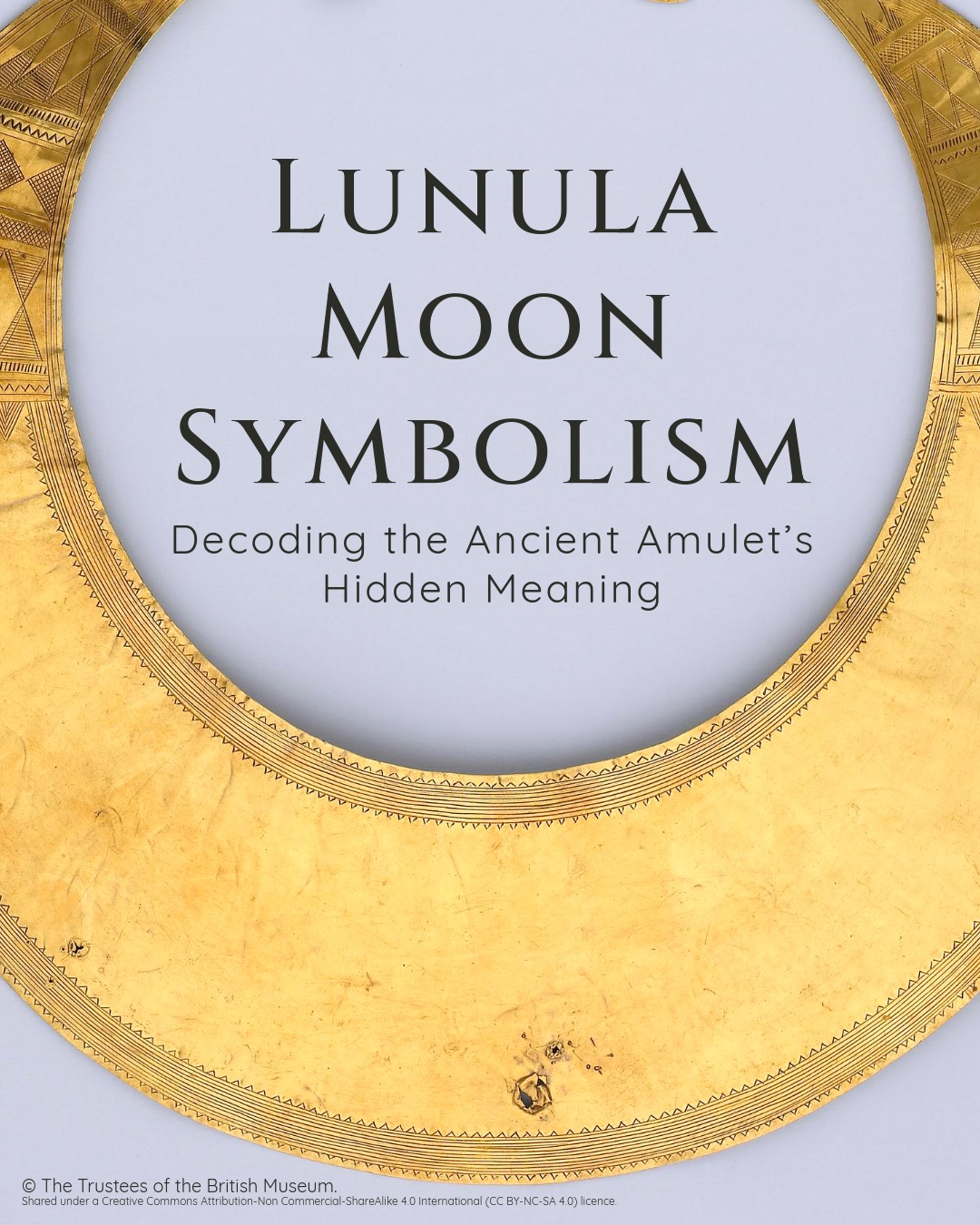
The lunula (little moon) was quite present in Roman and late Hellenistic artifacts, so don't be surprise to spot some when wandering along historical museums galleries.
Shaped like a delicate crescent moon, this pendant was one of the most ubiquitous pieces of jewelry in the ancient Mediterranean. For centuries, it served as a shield against the evil eye, a talisman of fertility, and a mark of identity for young women.
But look closer at the artifacts. While many crescents curve upward like a smiling bowl, others hang with their horns pointing decisively toward the earth.
Why the difference?
Was it merely an artistic whim, or did the orientation of the moon hold a specific language of protection?
The answer lies in the intersection of simple physics, ancient lunar theology, and the fine line between historical fact and modern interpretation.
The Lunula: A Shield for the Vulnerable
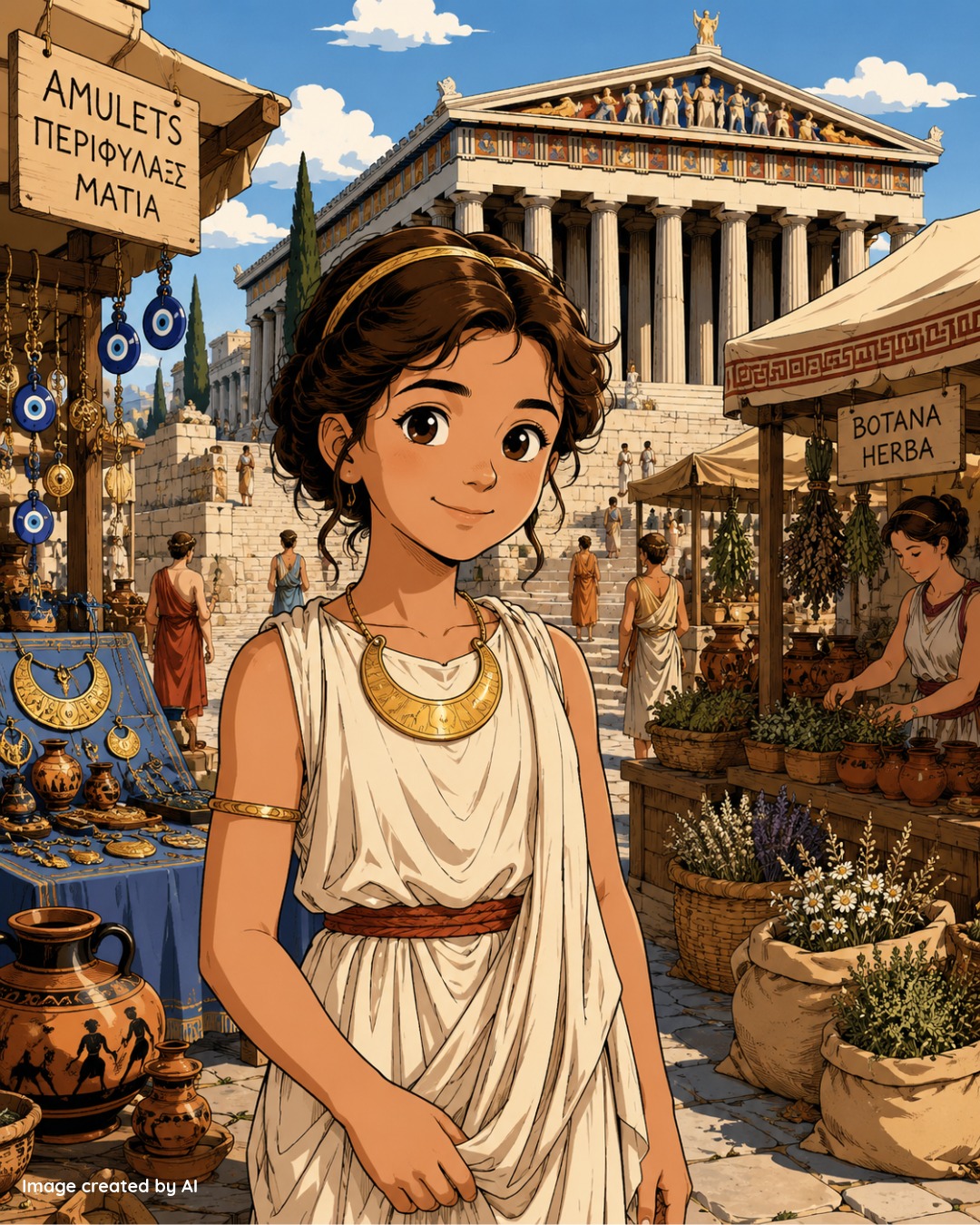
The word lunula comes from the Latin for "little moon." In ancient Rome and late Hellenistic Greece, these pendants were far more than decoration. They were apotropaic amulets—objects designed to ward off malevolent forces, spirits, and the dreaded fascinum (evil eye).
While often associated with young girls (serving as a female counterpart to the boy’s bulla), lunulae were worn by women of all ages and even depicted on horses and animals. Crafted from gold, silver, or bronze, they were the ancient equivalent of a spiritual security system, invoking the power of the heavens to protect the wearer on earth.
The Physics of Faith: Why Orientation Matters
To understand the symbolism, one must first consider the mechanics of the object. If you hang a crescent shape from a single chain by its center, gravity dictates that the horns will point up, creating a cup-like shape. This "horns up" position is the most common configuration found in excavations and aligns with the waxing moon.
In the ancient mindset, this upward orientation symbolized:
- Growth and Fertility: The visual metaphor of a filling cup, mirroring the growing light of the moon.
- New Beginnings: The domain of goddesses like Artemis, protector of childbirth and youth.
- Reception: A vessel ready to receive blessings and life.
However, jewelry makers were skilled artisans who could defy gravity. By attaching the crescent at two points, integrating it into a rigid collar, or designing it as part of a complex earring or diadem, they could fix the moon in any position they chose. When the horns point down, the symbolism shifts dramatically, moving from the realm of growth to the realm of protection through banishment.
A Note on Objectivity: Ancient Practice vs. Modern Myth
It is crucial to distinguish between what the artifacts show and how we interpret them today. The crisp, systematic definition of "Up = Maiden (Artemis)" and "Down = Crone (Hecate)" is heavily influenced by 19th-century romanticism and modern Neopagan traditions, particularly the Triple Goddess archetype popularized by Robert Graves in The White Goddess.
The ancient Greeks and Romans likely didn’t carry a rulebook stating, "Wear your lunula upside down specifically to invoke Hecate." Instead, they operated on a fluid, intuitive understanding of symbolism.
- No Explicit Manual: There is no surviving ancient text that explicitly links the downward-facing lunula exclusively to Hecate in a codified way.
- Fluid Symbolism: In actual antiquity, the downward orientation likely signaled a general association with the waning phase’s protective qualities—the power to banish and cleanse—rather than serving as a strict "logo" for a specific deity.
- Contextual Meaning: The wearer may have simply understood it as a potent symbol of lunar power in its defensive aspect, invoking the dark moon’s ability to absorb or deflect harm, regardless of which goddess they personally favored.
Why the Lunula Moon Symbol Matters
In an age where we often seek connection to the past through jewelry, understanding the lunula’s dual nature adds depth to its beauty. The artifact invites us to see the moon not just as a beacon of light, but as a guardian of the threshold between the known and the unknown.
Whether the horns face up to celebrate growth or down to ward off shadows, the lunula remains a testament to an ancient belief: that the cycles of the sky are mirrored in the safety of the soul. The next time you see a crescent moon pendant, pause and check its orientation. It might just be telling you which aspect of the moon is standing guard.
This article was developed in collaboration with Euria, an AI hosted on renewable energy in Switzerland.
The moon presence in my creations
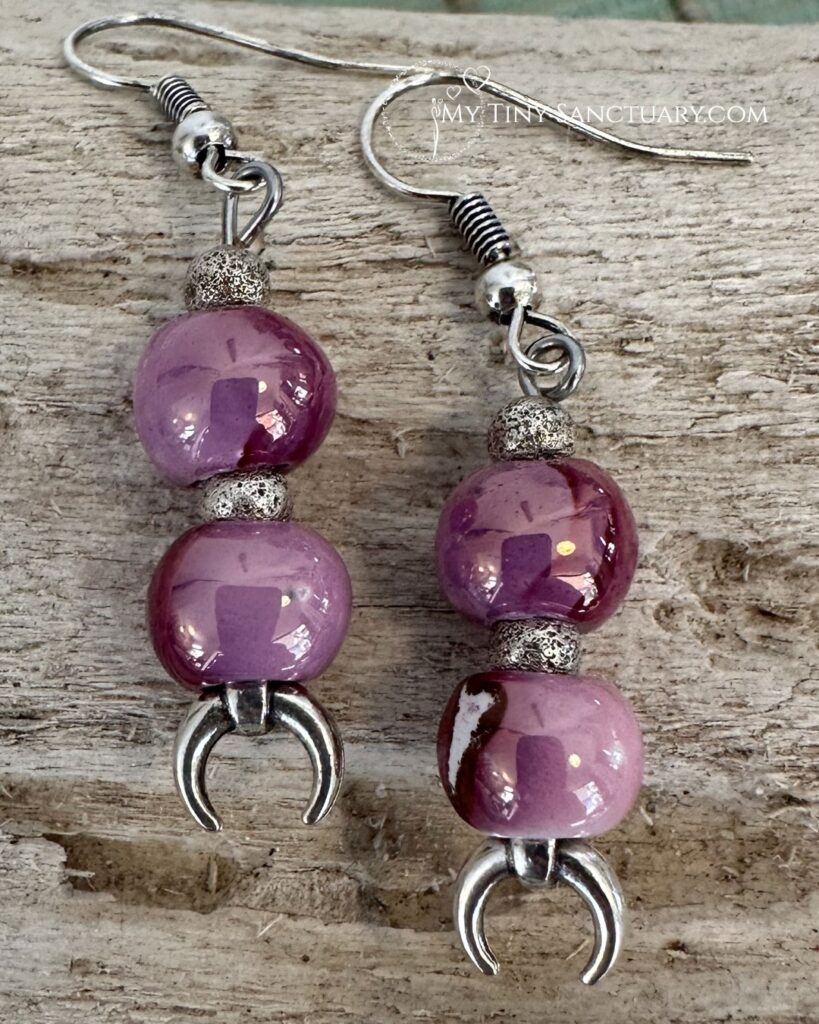
Moon Earrings: Crescent Moon with Handcrafted Ceramic Beads
15,00 €
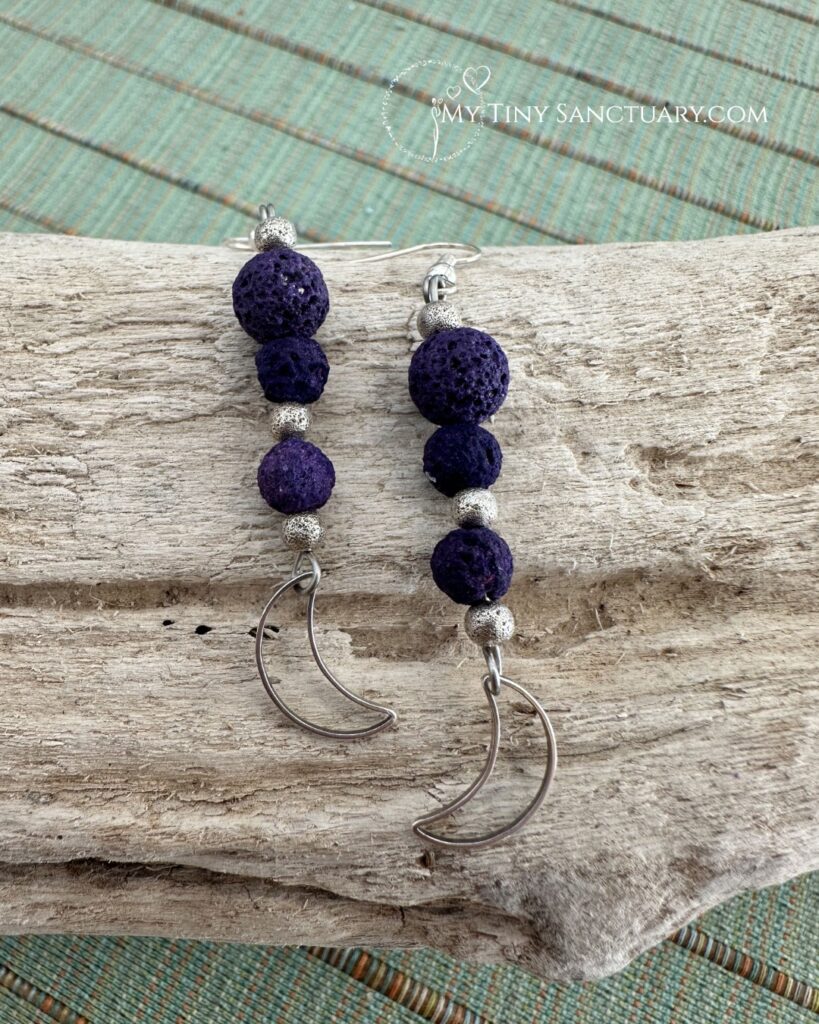
Moon Earrings: Moon Phase with Purple Lava Stone Beads
15,00 €
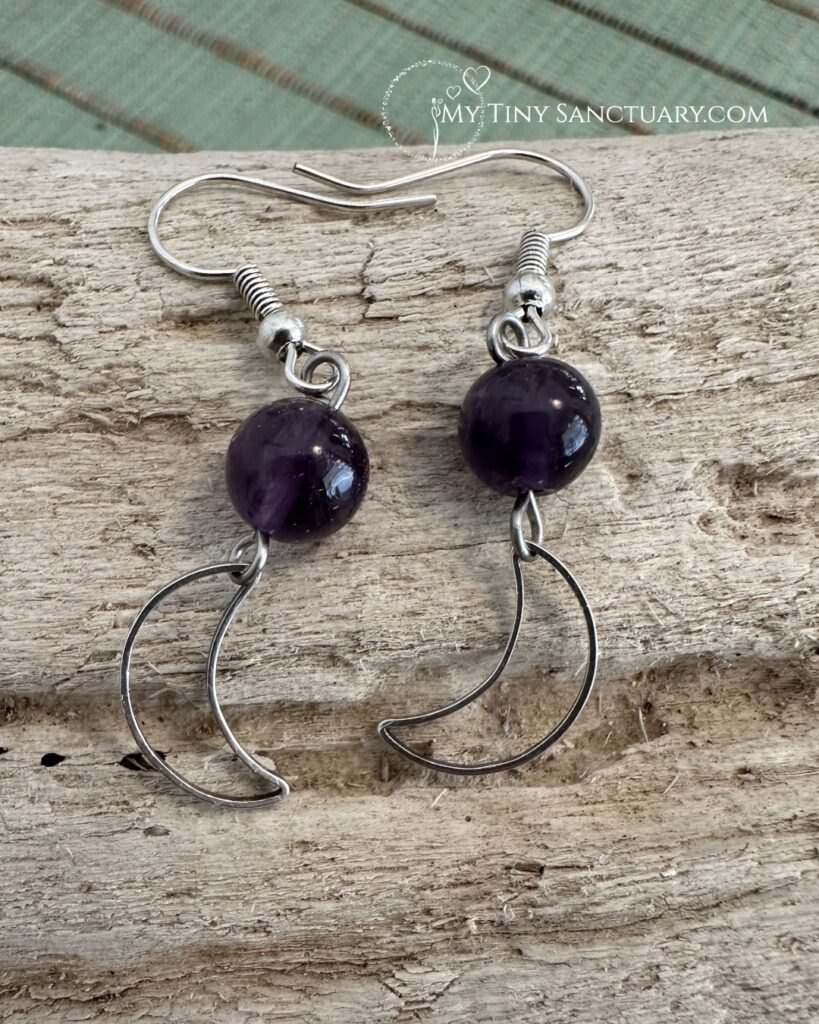
Moon Earrings: Crescent Moon with Amethyst Beads
14,00 €